
Travel Guide
Weekend Escapes in Connemara
Discover hidden valleys, dramatic coastlines, and mountain trails in Ireland's most enchanting region. Perfect for nature lovers seeking authentic outdoor experiences.

Why Connemara Captures Hearts
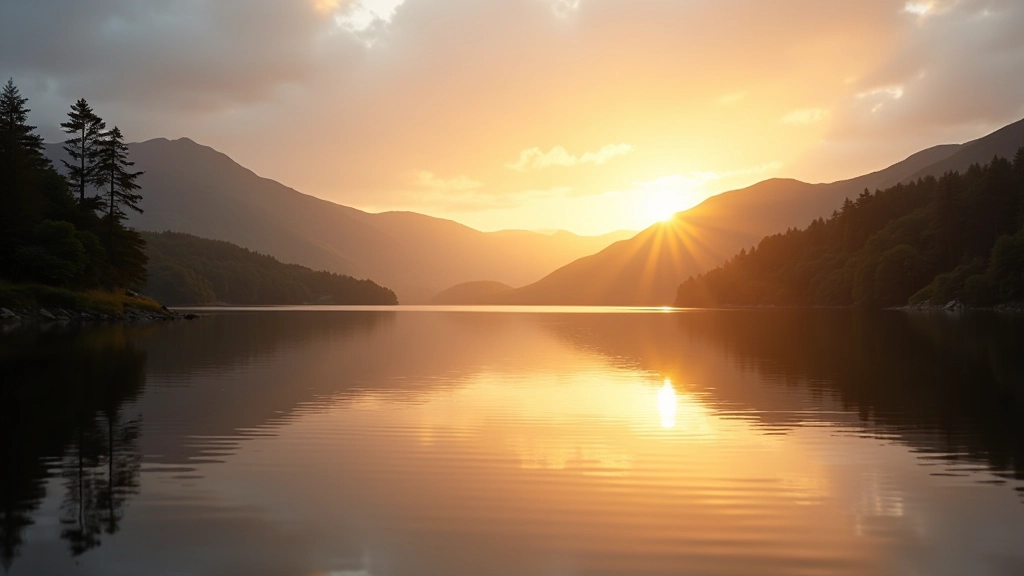
Connemara isn't like other Irish destinations. You won't find manicured tourist routes or crowded viewpoints here. What you'll find instead is raw, wild beauty that changes with the weather and the light.
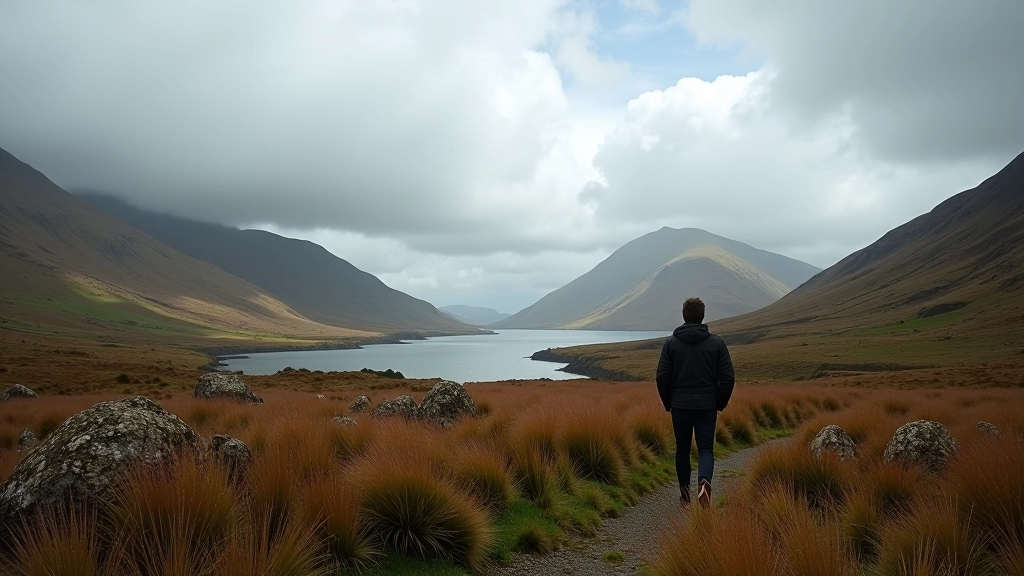
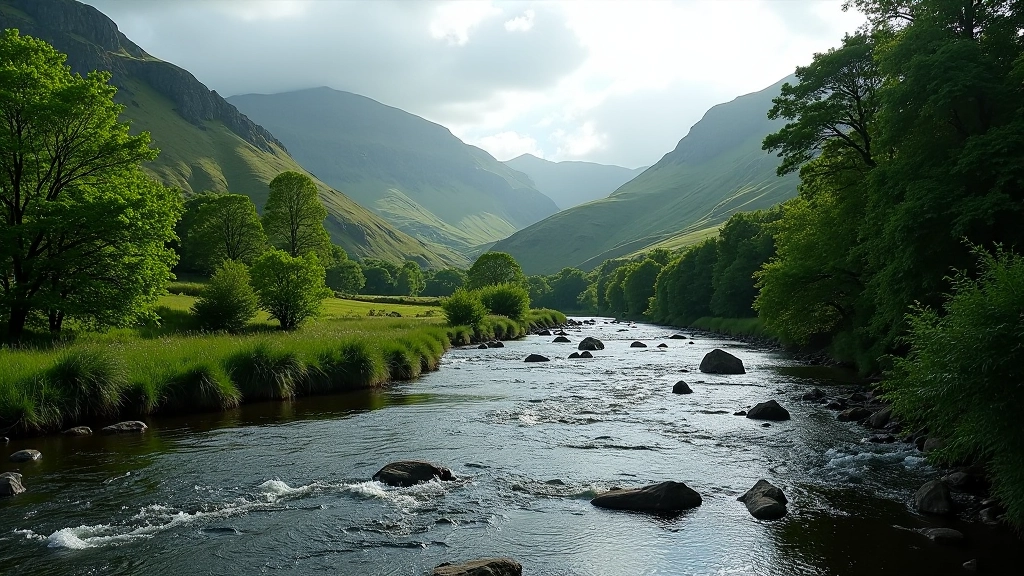
The region sprawls across Galway's western edge, where granite mountains tumble toward the Atlantic. Bogs stretch for miles in impossible shades of purple and brown. Tiny villages appear suddenly around corners, their colorful houses reflected in still lakes. It's the kind of place that makes you understand why Ireland's landscape inspired centuries of poetry and music.
We've explored Connemara across every season, and honestly, each one offers something different. Spring brings wildflowers and returning birds. Summer extends the daylight until nearly 10 PM. Autumn turns everything golden and bronze. Winter reveals the mountains in sharp detail when clouds finally clear. A weekend here works in any season—you just need to pack layers and expect to get wet.
1
800+ km²
Of largely unspoiled landscape to explore
2
40+ Lakes
Perfect for fishing, kayaking, or simply observing
3
Peak: Benbaun
729 meters of dramatic mountain walking
The Twelve Bens: Trekking Through Sacred Mountains
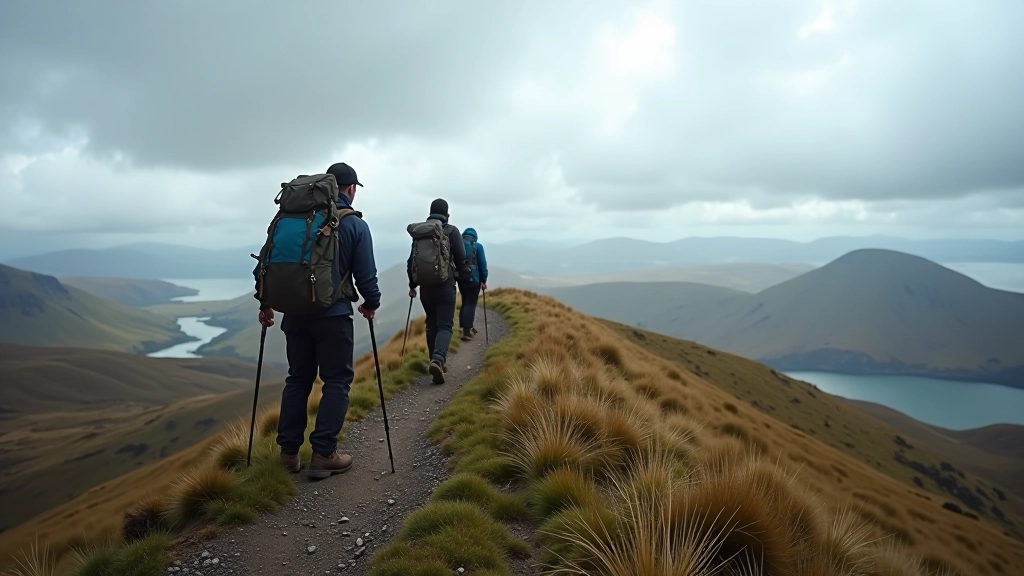
The Twelve Bens mountain range is Connemara's spine. These aren't Alps—they're more intimate, more weathered, more Irish. The peaks connect across ridges that offer proper hiking without technical climbing.
Most people start with Benbaun, the highest. The trail begins near Finny Bridge and climbs through moorland scattered with boulders and streams. You'll pass through zones where visibility drops to meters in mist, then suddenly you're above the clouds with views stretching to the Atlantic. The full circuit takes about 5-6 hours depending on pace and weather breaks. Don't rush it. We've seen people turn back because they underestimated how exposed these ridges feel in wind.
A gentler option: Diamond Hill near Letterfrack. It's shorter (about 2-3 hours), better marked, and genuinely beautiful. The walk loops around farmland and forest, opening onto views of the Twelve Bens themselves. It's perfect if you're not confident on rough terrain or if weather's deteriorating.
- Bring a detailed map—trails aren't always obvious on the ground
- Start early, even if you only plan 3 hours—weather can change fast
- Waterproof everything, not just your jacket
- Proper boots matter here more than on easier trails
Coastal Villages and Hidden Coves
Connemara's coastline isn't dramatic cliffs—it's more subtle. Rocky coves, quiet beaches, and villages that feel like they've been here for centuries. Clifden is the main hub, a small town with proper cafés, restaurants, and bookshops. But we'd skip the main street and head to the quieter spots.
Letterfrack, 20 minutes north, sits on a harbor ringed by mountains. There's a beach here (small, but genuine), a few good restaurants, and access to Connemara National Park. The village itself feels lived-in rather than touristy—locals actually use the pubs.
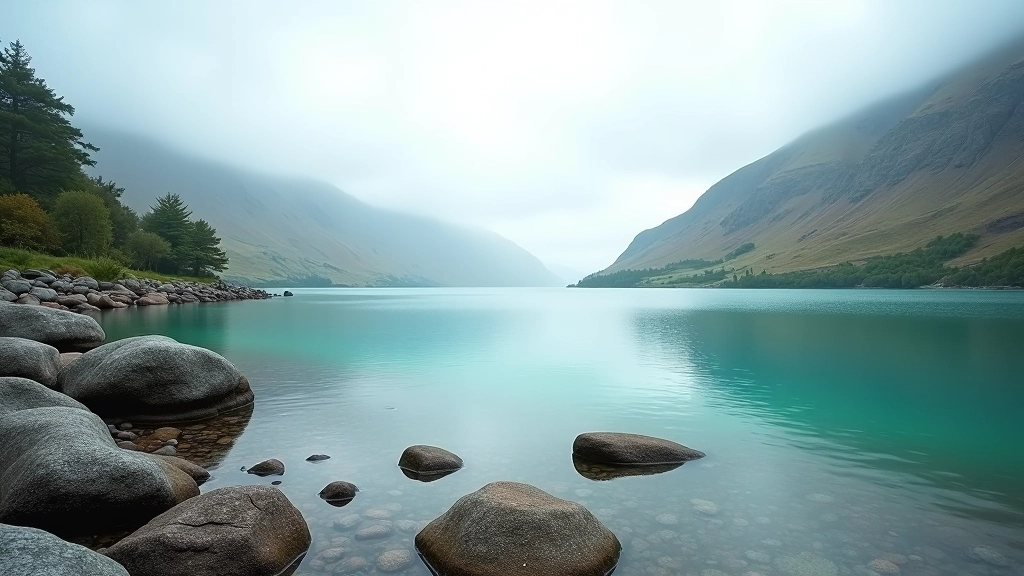
For coves: head to Mannin Bay. The road winds through bog and moorland until suddenly you're overlooking a turquoise inlet surrounded by granite. There's a small car park and a beach where you can actually walk down to the water. On clear days, the light here is almost unreal. On cloudy days, it's moody and atmospheric. Either way, it's worth the drive.
Omey Island (technically accessible by car at low tide) offers sand dunes, wildflowers, and views back toward Connemara's mountains. It's only a 15-minute drive from Clifden but feels genuinely remote.
Bog Walks and Moorland Exploration
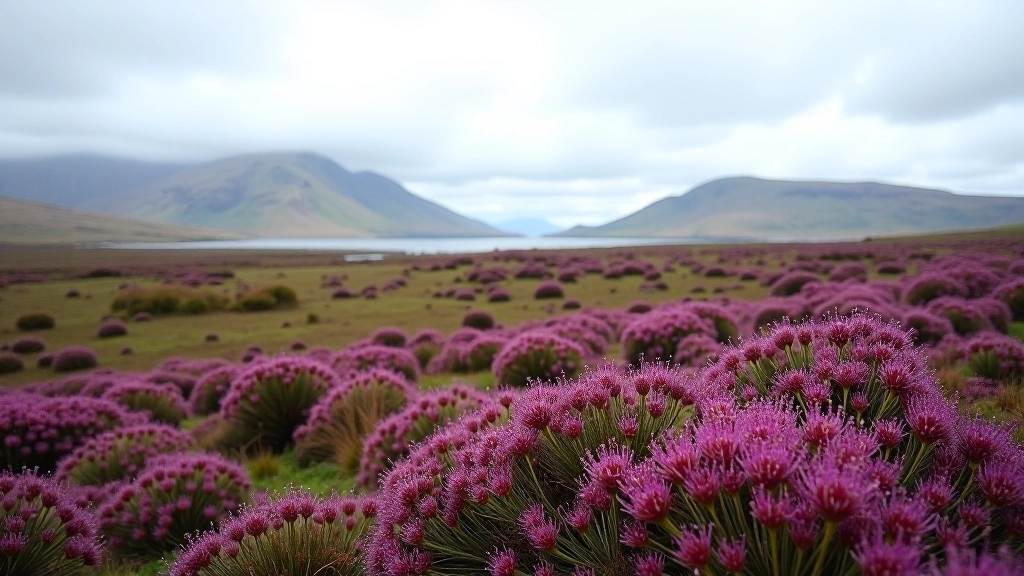
Bogs cover roughly a third of Connemara. Most visitors find them strange at first—wide, treeless, vaguely purple-brown. But spend an hour walking one and you'll understand their appeal. They're genuinely beautiful in a way that's hard to photograph or describe.
The Roundstone Bog Walk is probably the most accessible. It's a looped trail (about 90 minutes) that wanders through moorland with interpretive signs explaining the ecosystem. You'll see carnivorous sundew plants, sphagnum moss, and vast views across multiple bogland sections. The ground is soft and sometimes squelchy—definitely wear boots.
For something less marked: pick any small road heading inland from the coast and pull over. Walk perpendicular to the road for 10-15 minutes and you'll likely find yourself alone on bog surrounded by mountains. It's meditative in a way that's hard to describe. No phone signal, minimal sound, just landscape in all directions.
One caution: bogs are working landscapes. Turf cutting still happens. Don't stray from established paths and respect any areas marked as active cutting zones. The bogland itself is fragile—stick to marked routes where they exist.
Where to Stay and What to Eat
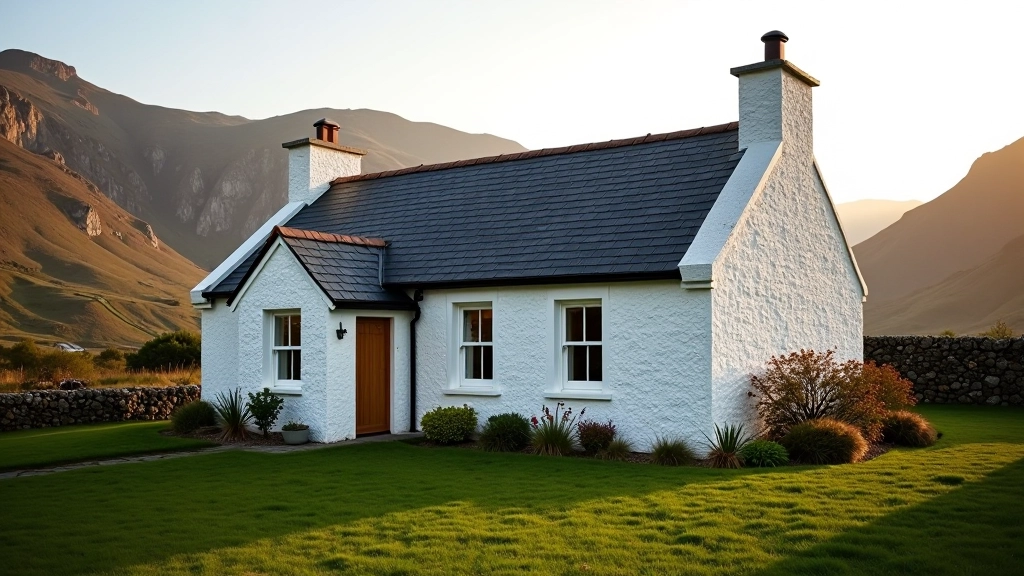
Accommodation ranges from hostels in Clifden to farmhouse B&Bs scattered throughout the region. We'd suggest booking a cottage or guesthouse in a smaller village rather than staying in Clifden proper. You'll have better views, quieter mornings, and you're never more than 30 minutes' drive from anywhere in Connemara.
Food here is genuine but unpretentious. Local restaurants focus on seafood (mussels from Killary Fjord, crab from coastal waters) and meat from farms you can sometimes see from the restaurant. Expect fresh, simple cooking rather than fancy plating. Kylemore Abbey's café serves proper soup and sandwiches if you're caught without packed lunch. Smaller villages have a pub in almost every cluster of houses—these are where locals eat, and the food's usually better than anywhere touristy.
Grocery shops close by 6 PM, sometimes earlier. Stock up on supplies in Clifden or Galway City before heading deeper into the region. A proper packed lunch beats restaurant hunting when you're on the mountains anyway.
Bring cash. Card readers work in main towns but fail in smaller villages. We've been caught out by this more than once.
Planning Your Connemara Weekend
A weekend in Connemara works best when you stop rushing. Pick two or three things you actually want to do—a mountain walk, a coastal drive, a bog exploration—and do those properly rather than trying to tick off every viewpoint. The region rewards slow travel. You'll notice details you'd miss at speed: how light changes across a lake, the specific shade of bog moss, the patterns of stone walls crossing the moorland.
Weather is genuinely unpredictable. We've experienced four seasons in a single day here. Pack layers, expect to get wet, and remember that the best views often come just after clouds clear—which means sometimes you're hiking through mist waiting for the moment when visibility suddenly opens up.
Go with an open mind. Connemara isn't Instagram-perfect. It's real, sometimes bleak, occasionally uncomfortable. And that's exactly why it's special. Once you've stood alone on a mountain ridge with bog stretching in all directions, or watched light hit a quiet lake just right, you'll understand why people keep coming back.
Ready to Explore?
Start with our other Ireland nature guides to plan your complete outdoor adventure.
Browse All GuidesImportant Information
This guide provides educational information about exploring Connemara. Outdoor activities carry inherent risks. Always check weather conditions, use appropriate equipment, bring maps and navigation tools, and inform someone of your plans before heading out. Conditions change seasonally and can deteriorate rapidly in mountain regions. Consider hiring a local guide for unfamiliar terrain. This information is current as of April 2026 but may not reflect all recent changes or local restrictions. Contact local tourism offices or ranger stations for current conditions before your visit.